RUNOFF · No. 01 · Summer 2026 · Reporting on what leaks into the body and the culture
SCIENCE · THE BODY
There Is a Teaspoon of You That Isn't You
Microplastics have crossed barriers we assumed were sealed. Nobody can yet tell you what that does - and the not-knowing is doing a lot of work.
By Lena Osei · Science & The Body · 2026-06-17 · 9 min read
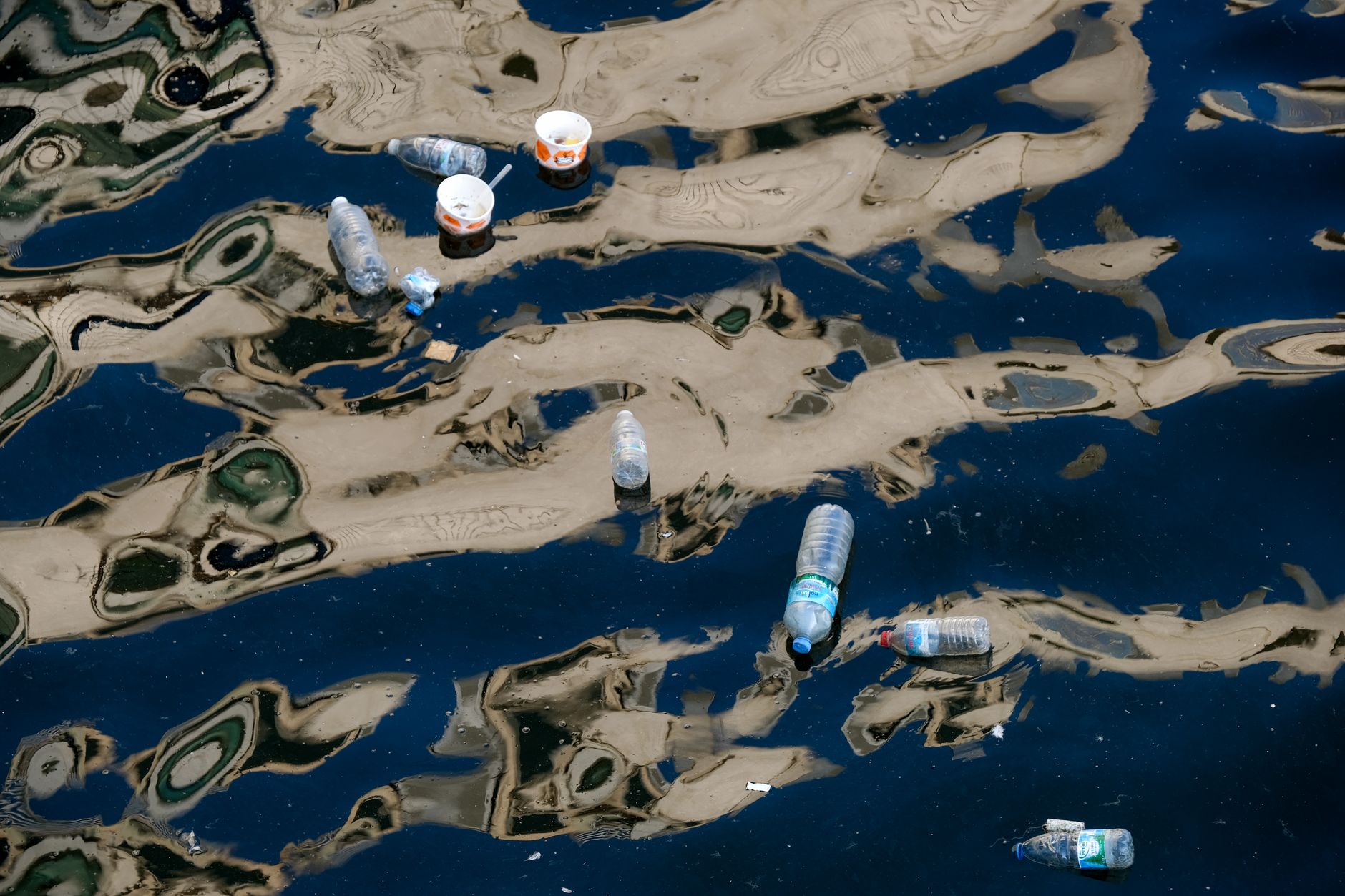
The number that gets quoted is a credit card a week - roughly five grams of plastic, the experts say, passing through the average person every seven days. It is a good number. It is vivid, it is alarming, and it is almost certainly wrong in the specifics. What's not wrong is the direction of travel: the plastic is in the water, the water is in us, and the us in question now includes tissue we used to think was sealed off.
Last year a team found microplastic particles in human brain samples at concentrations high enough that one researcher described the organ, off the record, as "a little spoon of polymer." The phrase stuck with me longer than the data did.
Here is the uncomfortable part. We do not yet know what any of it does. The honest scientific position is a shrug wearing a lab coat: the particles are there, they are small enough to cross barriers we assumed were closed, and the studies that would tell us whether that matters take decades we have already started spending.
"Absence of evidence is doing a lot of work in this story," Lena's source, a toxicologist who asked not to be named because she consults for a bottling company, tells her. "And it's being read as evidence of absence. Those are not the same sentence."
The runoff is the through-line. Everything we made to be permanent is now permanent in the wrong place - in the silt, in the fish, in the rain, and finally in the one container we cannot recall or recycle. You are, in the most literal sense available to chemistry, becoming your own packaging.
The runoff is the through-line. Everything we made to be permanent is now permanent in the wrong place.
Read next
More from the runoff

DISPATCH · NIGHTLIFE
The Long Comedown
A sixty-year-old anaesthetic got a wellness rebrand and a nightclub habit. The molecule didn't change. The story we tell about it did.
· 11 min read

SOCIETY
The Loneliness Economy
It doesn't sell you company. It sells you the feeling of being about to have company - and the cure ships in the same box as the disease.
· 8 min read

FOOD
Everyone You Know Is Fermenting Something
The jar on the counter is alive, and it's the only thing anyone can agree is going well. A culture finding comfort in decay it can schedule.
· 7 min read